
What do you really know about urinary incontinence in adults and seniors? Since the topic is still too often misunderstood or avoided, we're shedding light on some common misconceptions—so you can separate fact from fiction.
Living Better with Incontinence
In the following blog articles, we are dedicated to offering you our best practical advice and effective solutions to improve your daily life despite incontinence. Discover how yoga, herbal medicine, and a healthy lifestyle can help you live more comfortably and peacefully with incontinence.
-
 Urinary Incontinence in Adults: Myths vs. RealityRead More
 -
 Travelling with Urinary Leaks? Smart Tips to Stay Confident on the GoRead More
Worried about travelling because of urinary incontinence? With a few simple habits and good planning, you can fully enjoy your time away. Discover our practical tips for travelling comfortably and confidently, wherever you're headed.
-
 Incontinence and Hygiene: Why Daily Care Makes All the DifferenceRead More
Living with incontinence as an adult or senior can be challenging. Beyond discomfort and emotional strain, it may also cause irritation, unpleasant odors or infections. Adopting proper hygiene habits is essential to protect intimate areas and improve your daily comfort.
-
 Strengthen Your Pelvic Floor to Reduce Urinary LeaksRead More
Are you experiencing urinary incontinence and looking for practical ways to manage it? Discover a variety of exercises to help you regain control, feel more comfortable, and improve your quality of life.
-
 Urinary Incontinence and Nutrition: How to Regain Control NaturallyRead More
Managing urinary incontinence may seem challenging, as leaks can happen at any moment. Yet, a few simple dietary and lifestyle adjustments can make a real difference. Discover our tips on what to eat - and what to avoid - to support better bladder control.
-
 Urodynamic Testing: Understanding Urinary Incontinence More PreciselyRead More
Urinary incontinence affects many people over the age of 65. If no clear cause has been identified, your doctor may recommend a urodynamic test to better understand how your bladder and pelvic muscles function.
-
 Incontinence-Associated Dermatitis: What It Is and How to Manage ItRead More
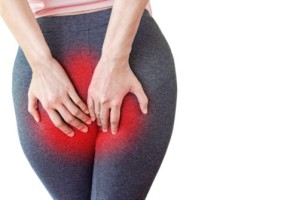
Incontinence-associated dermatitis is a common skin complication in people suffering from urinary or fecal incontinence. It develops when skin remains in prolonged contact with moisture in the perineal area, typically caused by urine or stool.
-
 Understanding Adult Incontinence: Causes, Types and Ways to Manage ItRead More
Incontinence refers to the involuntary loss of urine or stool. It can vary in severity and affect people differently depending on age, health, and other personal factors. Understanding it is the first step toward managing it with confidence.
-
 Fecal Incontinence: Understanding the Causes and Managing Daily LifeRead More
Fecal incontinence can affect people of all ages, from young children to older adults. It can impact well-being and independence, but with proper treatment and support, it can be managed effectively.
-
 Anal and Fecal Incontinence: Understanding the Condition and Managing It with ConfidenceRead More
Anal incontinence involves the unintentional loss of gas and/or stool, while fecal incontinence refers to stool leakage only. Although often stigmatized, this condition affects many people — and effective treatments are available.
-
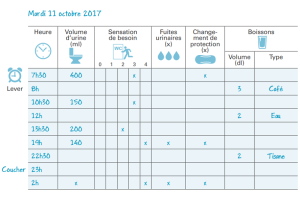 What Is a Bladder Diary and How Can It Help?Read More
Often recommended by doctors, a bladder diary is a helpful tool to track urinary issues. It plays a key role in diagnosing incontinence and understanding bladder function to tailor treatment effectively.
-
 Why Are Seniors Turning Away from Nursing Homes?Read More
In France and Belgium, nursing homes are seeing a decline in occupancy. More and more seniors are choosing to stay away from these institutions. Why is this happening, and what alternatives are available to support older adults?