
In France, around three million women experience involuntary urine leaks during daily activities like running, laughing, sneezing or coughing. Women over 65 are particularly affected due to weakened pelvic muscles.
Our Blog Articles
For seniors, our commitment on Senup focuses on improving their daily lives, particularly in dealing with incontinence, with expert advice for well-informed choices. Explore the various causes of incontinence and our practical solutions, including approaches like yoga and phytotherapy, to live comfortably despite these challenges.
-
 Stress urinary incontinence: causes and solutionsRead More
 -
 Strengthen Your Pelvic Floor to Reduce Urinary LeaksRead More
Are you experiencing urinary incontinence and looking for practical ways to manage it? Discover a variety of exercises to help you regain control, feel more comfortable, and improve your quality of life.
-
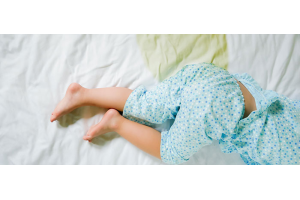 Bedwetting in Children: Causes and Support StrategiesRead More
Many children use the toilet independently during the day or before bedtime. Yet, during sleep, involuntary bedwetting may still occur. While often harmless, some cases may require medical attention. Learn how to identify the causes and support your child effectively.
-
 Urinary Incontinence and Nutrition: How to Regain Control NaturallyRead More
Managing urinary incontinence may seem challenging, as leaks can happen at any moment. Yet, a few simple dietary and lifestyle adjustments can make a real difference. Discover our tips on what to eat - and what to avoid - to support better bladder control.
-
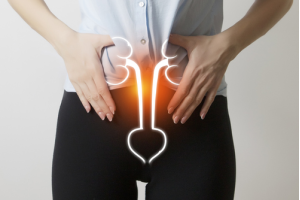 The Female Urethra: Structure, Function, and Common DisordersRead More
Understanding how the female urethra works and the conditions it may face helps identify solutions that improve daily comfort. Urinary incontinence, often a taboo topic, can arise at any stage of a woman’s life.
-
 Urodynamic Testing: Understanding Urinary Incontinence More PreciselyRead More
Urinary incontinence affects many people over the age of 65. If no clear cause has been identified, your doctor may recommend a urodynamic test to better understand how your bladder and pelvic muscles function.
-
 Cauda Equina Syndrome: When Nerve Compression Causes IncontinenceRead More
While urinary incontinence is often associated with aging or lifestyle factors, it may sometimes indicate a more serious neurological condition such as cauda equina syndrome. What are the warning signs, causes, and available treatments?
-
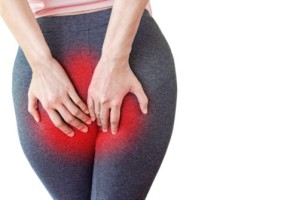 Incontinence-Associated Dermatitis: What It Is and How to Manage ItRead More
Incontinence-associated dermatitis is a common skin complication in people suffering from urinary or fecal incontinence. It develops when skin remains in prolonged contact with moisture in the perineal area, typically caused by urine or stool.
-
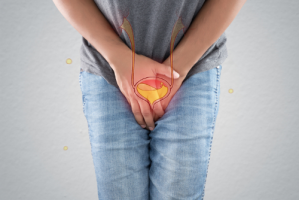 The Male Urethra: Structure, Common Conditions and Its Role in IncontinenceRead More
The urethra is the tube responsible for transporting urine from the bladder to the outside. In men, it also carries semen and is approximately 15 to 18 cm long.
-
 Urination Disorders in Adults: Causes, Diagnosis, and Treatment OptionsRead More
Urinary incontinence is not an inevitable part of aging, nor is it a disease. It is a common condition that affects many adults, especially women, and can be managed with appropriate care and guidance.
-
 Understanding Adult Incontinence: Causes, Types and Ways to Manage ItRead More
Incontinence refers to the involuntary loss of urine or stool. It can vary in severity and affect people differently depending on age, health, and other personal factors. Understanding it is the first step toward managing it with confidence.
-
 Urge Incontinence: When the Urge to Urinate Can’t Be IgnoredRead More
Also known as "overactive bladder," urge incontinence refers to the sudden, intense need to urinate, often followed by involuntary leakage. Everyday triggers like running water or arriving home can set it off.