Nocturia is a condition that causes frequent urination at night and is common in postmenopausal women. Often linked to hormonal changes, it can significantly disrupt sleep and quality of life. What causes it, and how can it be managed?
Our Blog Articles
For seniors, our commitment on Senup focuses on improving their daily lives, particularly in dealing with incontinence, with expert advice for well-informed choices. Explore the various causes of incontinence and our practical solutions, including approaches like yoga and phytotherapy, to live comfortably despite these challenges.
-
 Nocturia and Menopause: Understanding the Link and How to Treat ItRead More
 -
 Incontinence in Belgium and France: Facts and FiguresRead More
Incontinence is often underestimated in France and Belgium. Yet, recent research has revealed just how widespread it really is. Beyond the statistics, many people live with daily discomfort and a sense of shame linked to urinary incontinence.
-
 Managing urinary incontinence: how Senup supports you dailyRead More
Living with urinary incontinence can be overwhelming—especially when you first discover the world of protective products. At Senup, we’re here to help guide you with clear advice and support so you can find the solution that best fits your needs.
-
 Urinary microbiome and incontinence: what’s the connection?Read More
The urinary microbiome refers to the collection of microorganisms that live in the urinary tract, including the bladder and urethra. It is mainly composed of bacteria, but can also include fungi, viruses and other microbes that contribute to urinary health.
-
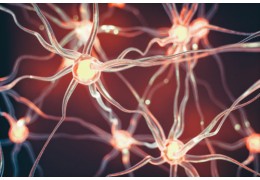 Neuromodulation: an innovative therapy for urinary incontinenceRead More
Urinary incontinence is defined as the unintentional loss of urine outside of normal urination. Thankfully, several treatment options exist, depending on the cause and type of incontinence. Neuromodulation is one of the most promising approaches for specific cases.
-
 Herbal medicine: a gentle way to support urinary incontinenceRead More
Talking about urinary incontinence can be difficult, especially when it comes to medical treatments. The good news? There are gentle and natural alternatives. Herbal medicine offers a plant-based approach to help manage urinary issues with less stress and more balance.
-
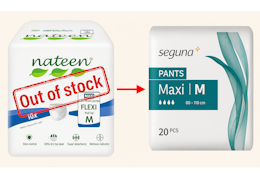 NATEEN temporarily unavailable: discover our alternativesRead More
NATEEN products are temporarily unavailable. We offer equivalent alternatives like Seguna, at the same price and with similar quality. Restocking expected in 6–8 weeks (between May 15 and 31, 2025).
-
 Support and assistance structures to cope with incontinenceRead More
Senup informs you about the help and support resources available in France and Belgium for people affected by incontinence . This article presents associations, health services, support groups and helplines that can offer advice and a space for exchange. The aim is to make readers aware of the importance of seeking help to better manage this condition.
-
 The Egosan Incontinence Product Range: Your Reliable Alternative to Major BrandsRead More
Discover the Egosan range of incontinence products, a quality alternative to major brands. Designed to provide comfort and protection, these products cater to all needs, ensuring a pleasant daily experience.
-
 Urge incontinenceRead More
This article discusses urge incontinence, a condition affecting many people and characterized by sudden and frequent urges to urinate. You'll learn about its causes, the population groups most affected, and the various treatments available, including lifestyle changes, exercise, medication and even surgical options. Learn about practical strategies to better manage this condition and improve your quality of life.
-
 Incontinence and aging : anticipating the futureRead More
This article deals with incontinence among the elderly, an often taboo subject but one that is crucial to address as the population ages. It explores the different forms of incontinence, the reasons why they occur with age, and their significant impact on quality of life. In addition, it proposes practical strategies for managing this condition, covering aspects such as medical assessment, pelvic floor exercises, weight management, the use of adapted products, and emotional support. Finally,...
-
 Urinary incontinence and psychological factors: what you need to knowRead More
Urinary incontinence is often perceived as a physical problem, but it is also influenced by psychological factors. Understanding the link between mind and body is essential to treating this problem holistically. In this article, we'll look at the various psychological factors that can lead to urinaryincontinence, how they interact and what solutions can be considered to help those who suffer from it.