
Fecal incontinence can affect people of all ages, from young children to older adults. It can impact well-being and independence, but with proper treatment and support, it can be managed effectively.
Our Blog Articles
For seniors, our commitment on Senup focuses on improving their daily lives, particularly in dealing with incontinence, with expert advice for well-informed choices. Explore the various causes of incontinence and our practical solutions, including approaches like yoga and phytotherapy, to live comfortably despite these challenges.
-
 Fecal Incontinence: Understanding the Causes and Managing Daily LifeRead More
 -
 Bladder Cancer and Urinary Incontinence: What to Know and How to Manage ItRead More
Each year, around 12,000 new cases of bladder cancer are diagnosed in France, mostly in men. While the average age at diagnosis is 70, the disease can appear as early as age 40. When caught early, it can be treated effectively with regular follow-up to prevent recurrence.
-
 Anal and Fecal Incontinence: Understanding the Condition and Managing It with ConfidenceRead More
Anal incontinence involves the unintentional loss of gas and/or stool, while fecal incontinence refers to stool leakage only. Although often stigmatized, this condition affects many people — and effective treatments are available.
-
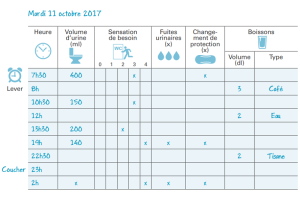 What Is a Bladder Diary and How Can It Help?Read More
Often recommended by doctors, a bladder diary is a helpful tool to track urinary issues. It plays a key role in diagnosing incontinence and understanding bladder function to tailor treatment effectively.
-
 Why Are Seniors Turning Away from Nursing Homes?Read More
In France and Belgium, nursing homes are seeing a decline in occupancy. More and more seniors are choosing to stay away from these institutions. Why is this happening, and what alternatives are available to support older adults?
-
 Neurogenic Incontinence: What It Is and How to Manage ItRead More
Incontinence comes in various forms and is common among older adults. While women are more frequently affected, reflex or neurogenic incontinence also impacts a significant number of men. This type is linked to neurological conditions and can occur even at rest.
-
 Incontinence & Mobile Apps: Smart Tools to Improve Daily ComfortRead More
Mobile health apps are opening new doors for people living with urinary incontinence. In this article, we highlight practical and user-friendly digital solutions that can help regain control and ease daily management of symptoms.
-
 The Link Between Anxiety Disorders and Urinary IncontinenceRead More
Urinary incontinence can severely impact a person's emotional well-being. Fear of judgment, stress, and social withdrawal are common. How are anxiety disorders connected to urinary incontinence? Let’s take a closer look.
-
 Urinary incontinence in dogs: natural ways to support your ageing companionRead More
As dogs age, they may develop urinary incontinence. It's important to consult a vet to check their overall health. Fortunately, natural care solutions may help reduce symptoms. Senup shares several gentle options that could provide relief for your furry friend.
-
 Managing Incontinence in People with DisabilitiesRead More
Many physical disabilities can lead to varying degrees of incontinence. From urgency to complete loss of bladder or bowel control, there are hygiene solutions and medical options available to improve daily comfort and dignity.
-
 Urinary Incontinence in Young People: Causes, Symptoms and TreatmentsRead More
Urinary incontinence is not limited to older adults. Many young people also experience this condition, which can quickly become a source of discomfort or even a real handicap if left untreated. Even minor leaks during laughter, coughing or sneezing can significantly affect daily life.
-
 Nocturia and Menopause: Understanding the Link and How to Treat ItRead More
Nocturia is a condition that causes frequent urination at night and is common in postmenopausal women. Often linked to hormonal changes, it can significantly disrupt sleep and quality of life. What causes it, and how can it be managed?