
Rectal prolapse occurs when the rectum slips out of its normal position due to weakened pelvic floor muscles. This condition can be uncomfortable and may lead to symptoms such as bleeding or fecal incontinence. Learn more about the causes, diagnosis, and treatments.
Our Blog Articles
For seniors, our commitment on Senup focuses on improving their daily lives, particularly in dealing with incontinence, with expert advice for well-informed choices. Explore the various causes of incontinence and our practical solutions, including approaches like yoga and phytotherapy, to live comfortably despite these challenges.
-
 What Is Rectal Prolapse and How Can It Be Treated?Read More
 -
 Suburethral Slings for Incontinence: Effective Solution or Health Concern?Read More
Suburethral slings are widely used to treat urinary incontinence. Designed to support the urethra and reduce leakage, they’ve raised safety concerns in recent years due to the number of complications reported. Here’s what you need to know.
-
 Understanding Menopause: Symptoms, Effects, and Helpful AdviceRead More
Menopause marks the end of a woman’s fertility and brings many physical and emotional changes. Learn how to manage this natural transition with confidence and clarity.
-
 Urinary Incontinence: Understanding a Widespread Yet Overlooked IssueRead More
Urinary incontinence affects many people, both men and women. But what exactly does the term mean? How is it different from occasional bladder leakage? And when is it considered a medical condition?
-
 Urinary Incontinence in Athletic Women: When Sport and Leaks CollideRead More
Urinary incontinence isn't limited to older adults. Many young, athletic women also experience leakage, especially during high-impact sports. Understanding the causes and solutions is key to staying active with confidence.
-
 Covid-19: Why Buying Incontinence Products Online Is a Smart and Safe OptionRead More
For seniors and those with increased health risks, shopping online for incontinence products offers a convenient and safe solution. It reduces social contact while ensuring discreet and timely delivery of essential items to your home.
-
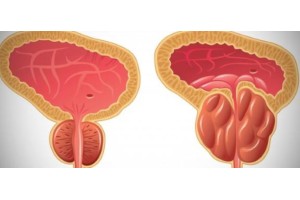 Enlarged Prostate in Men: Causes, Symptoms and Treatment OptionsRead More
Benign prostatic hyperplasia (BPH), or prostate enlargement, is common as men age. While not all men experience discomfort, it can lead to urinary difficulties and a reduced quality of life. Learn how to recognize the symptoms and explore treatment options.
-
 Urinary Incontinence in Adults: Myths vs. RealityRead More
What do you really know about urinary incontinence in adults and seniors? Since the topic is still too often misunderstood or avoided, we're shedding light on some common misconceptions—so you can separate fact from fiction.
-
 Obesity and Urinary Incontinence: What’s the Connection?Read More
Research has shown a clear link between excess weight and urinary incontinence. Obesity increases pressure on the bladder and weakens the muscles responsible for holding urine. Understanding this connection is key to managing and preventing discomfort.
-
 Travelling with Urinary Leaks? Smart Tips to Stay Confident on the GoRead More
Worried about travelling because of urinary incontinence? With a few simple habits and good planning, you can fully enjoy your time away. Discover our practical tips for travelling comfortably and confidently, wherever you're headed.
-
 Cystitis in Women: Recognizing It Early to Treat It BetterRead More
Half of all women will experience cystitis at least once in their life. In Belgium, this common bladder infection is one of the main reasons for prescribing antibiotics to women. Learn more about its symptoms, causes, and how to manage it effectively.
-
 Incontinence and Hygiene: Why Daily Care Makes All the DifferenceRead More
Living with incontinence as an adult or senior can be challenging. Beyond discomfort and emotional strain, it may also cause irritation, unpleasant odors or infections. Adopting proper hygiene habits is essential to protect intimate areas and improve your daily comfort.